


Hydrogen Gas Carbon Cleaning for Honda CT125 Hunter Cub (JA65E Engine) in Gifu Prefecture
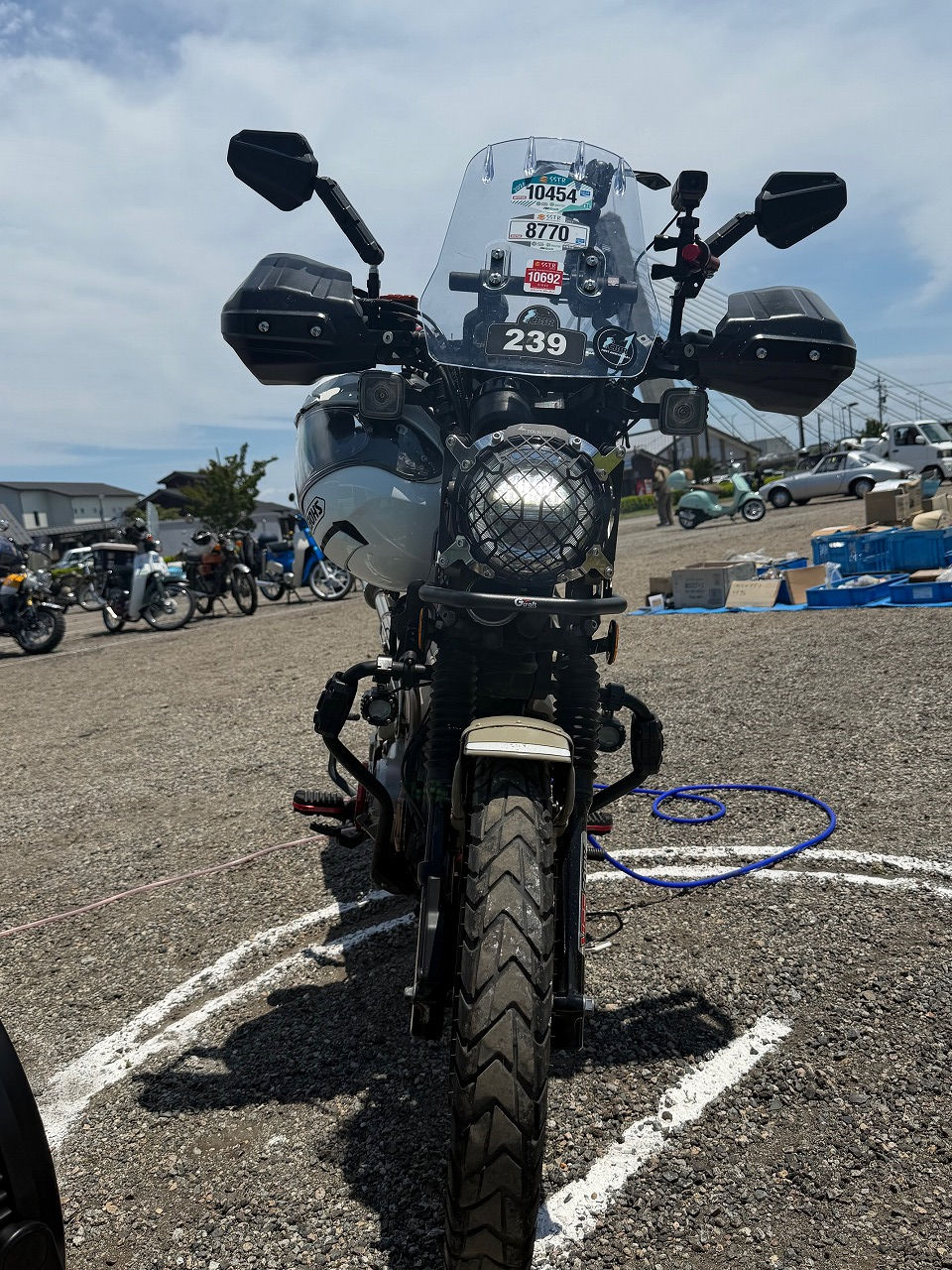
We recently had the pleasure of performing a hydrogen gas carbon cleaning service on a customer's beautiful Honda CT125 Hunter Cub (JA65E engine model) here in Gifu Prefecture.
The current mileage on this bike is approximately 46,470 kilometers (around 28,875 miles). As many of you know, this Hunter Cub is powered by Honda’s reliable JA65E 123cc air-cooled single-cylinder SOHC engine, delivering a maximum output of 9.1 ps (6.7 kW) at 6,250 rpm and max torque of 1.1 kg·m (11 N·m) at 4,750 rpm.
This specific service was conducted during [ HIMIKABU 2026 ].
The Issue: Frequent Engine Stalls (Carbon Lodging)
Our customer came to us complaining of occasional engine stalling while riding, which strongly suspected to be a case of "carbon lodging" (carbon buildup getting caught in the valves).
While hydrogen cleaning is highly effective for carbon removal, we explained to the owner beforehand that we wouldn't know if it would completely resolve the valve-lodging issue until after the treatment. The customer understood and gave us the green light to proceed.
The Process
We initiated the cleaning process at a base flow rate of 100 Liters per hour (L/h). While closely monitoring the engine's behavior and feedback, we gradually increased the hydrogen gas intake to ensure a safe and thorough clean.
⬇️⬇️ See below for our live impressions during the treatment!
⬇️⬇️ [Impressions During Cleaning]


[Impressions During Cleaning] ↓↓↓
0–5 Minutes: High Instability & Initial Reactions
Right after starting the service, the engine suddenly stalled. We restarted it immediately. The engine continued to idle erratically, occasionally dropping to very low RPMs and feeling as though it was on the verge of stalling again.
By the 5-minute mark, however, we could already feel moisture when holding a hand near the exhaust tip. Because the engine seemed too unstable to handle the treatment at a standard idle, we decided to slightly crack the throttle open during the process to keep it running. While the overall exhaust pressure felt normal, we noticed the exhaust flow was intermittently breaking up. We opened the throttle a bit more to check the idling meter, which showed normal gauge movement. We then carefully monitored the engine while making incremental adjustments to the hydrogen gas intake.
10–20 Minutes: Water Vapor & Gradual Stabilization
At the 10-minute mark, water vapor began visibly emitting from the exhaust pipe—a clear sign that the hydrogen was reacting and breaking down the carbon buildup. To prevent any further engine stalls, we continued the treatment while gently modulating the throttle (opening and closing it slightly).
By the 20-minute mark, we observed a noticeable improvement: the engine idle began to stabilize. We completely let off the throttle to let it idle on its own, locked in the hydrogen flow rate, and maintained the current treatment settings.
30–40 Minutes: Smooth RPM Drop & Successful Completion
At the 30-minute mark, the engine was idling steadily without a single stall. We revved the engine once more to check the idling meter and noticed a significant change: the RPMs dropped back down to idle much more smoothly and cleanly compared to when we first started the service.
We continued the treatment while fine-tuning the hydrogen levels. By the 40-minute mark, we confirmed that the engine idle, exhaust flow, exhaust sound, and engine vibrations had all completely stabilized. With the engine running beautifully, we successfully concluded the service.
⬇️⬇️ See below for the customer's feedback after a few days of riding!
⬇️⬇️ [Customer Feedback After a Few Days of Riding]


[Customer Feedback After a Few Days of Riding]
We followed up with the customer a few days after the service. Here is their feedback:
Engine Sound: The engine note feels slightly lighter and crisper.
Stalling Issue: Unfortunately, the engine stalling, which we suspected to be caused by carbon lodging, was not resolved.
[Shop Note: A Final Thought on the Service]
We sincerely apologize that we were unable to resolve the primary issue for our customer.
Throughout the session, we meticulously adjusted the hydrogen flow rate and modulated the throttle position to ensure the cleaning was as effective as possible. During the latter half of the service, the idle became notably stable, and the stalling ceased, leading us to believe we had made significant progress. However, it is clear that the root cause lies elsewhere.
Because the stalling persists, we recommended that the customer take the bike to their authorized dealer to run a formal diagnostic test (ECU check). Often, engine stalling in modern bikes like the CT125 can stem from sensor malfunctions, fuel pump issues, or other electrical gremlins that carbon cleaning alone cannot fix.
We want to be transparent: hydrogen cleaning is an excellent maintenance tool for performance, but it is not a "magic bullet" for mechanical or electrical faults.
We would like to thank our customer for trusting us with their bike. If you are experiencing similar issues or have any questions about the health of your CT125, please don't hesitate to reach out. We are always here to help.
Thank you for reading, and happy riding!

何かありましたら、いつでもご相談・お問合せ下さい。
今後とも、e-BLUE・水素ガスカーボンクリーニングを よろしくお願い致します。
施工予約・お問い合わせは、お電話・メールでお願い致します。
メールは、確認次第返信を入れますのでお待ち下さい。
よろしくお願い致します。
電話:09082621052
当ショップの Instagram、X(旧Twitter)、Facebook からのDM、メッセージ、公式LINEからご連絡して頂いても構いません
是非、公式LINEのお友達になって下さいね。
公式LINE QRコード


Comments